

Introduction
Choosing between SPC and vinyl flooring can feel a bit susah, especially when both look stylish and claim to be “waterproof.” This latest 2025 guide breaks things down in simple terms, tailored for Malaysian homes and budgets. It compares performance, feel, and real RM costs so readers can decide with confidence. For a quick head start, this article also covers practical tips to stretch every ringgit without sacrificing quality. For readers who want a side-by-side view, open this page on a desktop and compare specifications in two windows. Easy to scan. Easy to decide.
Curious how the two stack up in one place? The short answer is: it depends on the space, the budget, and the desired feel underfoot. The long answer is all here, with honest pros and cons, not sales talk. For a handy reference right from the start, see spc flooring vs vinyl to anchor the key differences while reading on. Let’s dive in.
Understanding the Basics: What Are SPC and Vinyl Flooring?
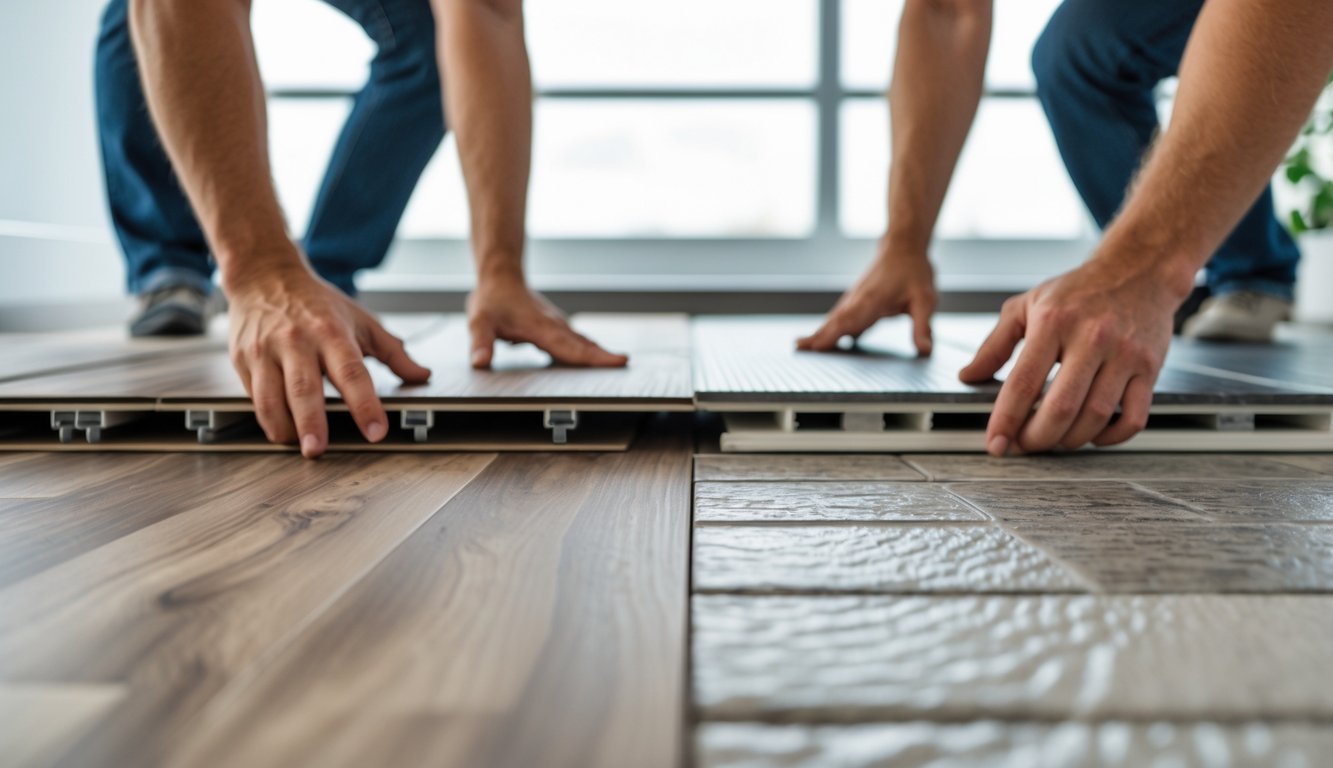
Both SPC and traditional vinyl are floating floors that click together, go over a flat subfloor, and deliver the wood-look or stone-look that’s hot right now. However, they behave quite differently once installed. Knowing the core materials makes everything else click—durability, stability, and even the sound when walking. This section lays the foundation, helping you grasp why SPC flooring vs vinyl comparisons are essential for Malaysian homeowners seeking waterproof flooring options that suit humid climates and modern lifestyles.
SPC Flooring Details
SPC stands for Stone Polymer Composite. The core is a blend of limestone powder and stabilizers, forming a rigid, high-density board. Because it’s stiff, it resists dents better and stays flat even with minor subfloor imperfections.
SPC typically includes a UV-cured wear layer, a printed design film, the rigid core, and a pre-attached underlayment for acoustic comfort. The planks lock strongly with click profiles, so installation is clean and fast. In Malaysia’s heat and humidity, SPC’s dimensional stability is a big plus, especially in rooms getting afternoon sun. This makes SPC flooring a reliable choice for areas prone to temperature fluctuations, ensuring long-term performance without warping or buckling.
Underfoot, SPC feels solid—less bounce, more “tile-like” stability. Some love this confidence; others may find it less cushy. Sound is tighter too. With a good underlayment, it sounds quieter and more premium when walking in shoes. Overall, SPC provides a sturdy foundation that appeals to those prioritizing durability in their flooring decisions.
Vinyl Flooring Details
Traditional vinyl plank (often called LVT) uses a flexible PVC core. It’s softer and more forgiving underfoot. The construction layers mirror SPC—UV wear layer, design film, flexible core, and sometimes an attached foam underlay.
Because vinyl is flexible, subfloor prep matters more. Any bumps or dips can telegraph up over time. But that flexibility delivers a warm, cushy feel that many prefer for bedrooms or lounges. Vinyl also tends to be slightly quieter due to its softer nature. This characteristic makes it particularly suitable for spaces where comfort and noise reduction are key considerations in Malaysian homes.
In terms of looks, both can look very realistic. Vinyl sometimes edges SPC on “warmth” under bare feet. However, temperature swing tolerance and dent resistance are typically not as strong as SPC. Still, with proper care, quality vinyl lasts and looks great for years. Its adaptability to various design styles further enhances its appeal for budget-conscious renovations.
Key Differences and Evaluation Criteria
Now the important part: how do these two compare on the criteria that matter day to day? The differences show up in the core, in how they handle water and heat, and in the experience of installing and maintaining them. Think of this as the practical checklist used by contractors who want fewer callbacks and homeowners who want fewer headaches. By evaluating SPC vs vinyl Malaysia-specific factors, you’ll gain insights into which option best fits your home’s needs, from durability to aesthetic appeal.
Core Composition and Durability
SPC’s stone-polymer core is dense and rigid, so it resists furniture dents and high-heel marks better than most flexible vinyl. That density also supports crisp click edges that hold tight over time. Vinyl’s PVC core is softer, giving it a comfortable feel but making it more susceptible to indentation if heavy items sit for long periods.
When it comes to wear layers, both can be specified with thicknesses that affect scratch resistance. A thicker wear layer, regardless of SPC or vinyl, usually equals a longer-looking-new life. Consumers should look for transparent wear layer specs in millimeters or mils, not just marketing terms like “commercial grade.” This attention to detail ensures you’re investing in flooring that withstands daily wear in busy households.
In high-traffic homes, SPC generally holds its shape better under pressure. Vinyl stands up well too, but owners may notice compression marks under large appliances or heavy cabinets. Furniture pads and load distribution help a lot, especially with vinyl. Ultimately, understanding these aspects helps in making an informed choice between SPC flooring price Malaysia and vinyl alternatives.
Installation and Maintenance
Both floors typically float—no glue, no nails—and click together, which keeps labor costs friendly. SPC’s rigidity simplifies bridging small subfloor imperfections. Vinyl demands a flatter subfloor, or unevenness can telegraph. Plan for minor patching or self-leveling, especially in older Malaysian apartments.
Cutting SPC needs a sharp blade or a saw, while vinyl cuts more easily with a knife. On the maintenance side, both appreciate gentle cleaners, regular sweeping, and microfiber mopping. Harsh solvents are a no-no; they can dull the finish and weaken seams. Transitioning from installation to upkeep, it’s clear that both options offer user-friendly experiences with minimal hassle.
Homeowners should place doormats and use felt pads under furniture. For rolling chairs, a rug or chair mat helps reduce wear. On a desktop, it’s worth comparing installation guides side by side to check warranty-specific dos and don’ts. Small steps now save money later, lah. By following these tips, you can extend the lifespan of your chosen flooring significantly.
Water Resistance and Stability
Both SPC and vinyl are marketed as “waterproof,” but the nuance is in the subfloor and the seams. SPC’s rigid structure maintains tight joints and resists swelling, making it very stable against humidity swings. Vinyl is waterproof at the surface but can expand or contract more with temperature changes.
In Malaysian bathrooms (dry areas only, not inside shower stalls), kitchens, and entryways, SPC’s stability is reassuring. Vinyl can perform too, provided installation is careful and the subfloor is clean and dry. Puddles should be wiped quickly either way, preventing seepage into perimeter gaps. This proactive approach ensures longevity in humid environments.
For condos with big windows and strong sun exposure, SPC typically shows fewer issues with gapping or peaking. Still, leaving expansion gaps and following the recommended acclimation period will keep both floors performing their best. Considering waterproof flooring Malaysia trends, SPC often edges out in stability for tropical climates.
Aesthetic Options and Feel
Today’s print films look legit—oak, walnut, herringbone, terrazzo, you name it. SPC and vinyl share most design libraries, so style choice doesn’t limit either option. What differs is the tactile feel and acoustics. SPC feels firm and stable; vinyl feels cushioned and warm.
If the space is for lounging barefoot, many homeowners appreciate vinyl’s softer touch. For high-traffic zones or where heavy items move around, SPC’s confident stance wins hearts. Underlayment selection also plays a role; cork or IXPE underlayment can transform both into quieter, more comfortable floors. This customization allows for tailored solutions based on personal preferences.
From an aesthetic perspective, matte or low-sheen finishes hide scratches better than glossy ones. Bevelled edges add realism to both SPC and vinyl, creating shadow lines that mimic real planks. If selecting online, view samples on a desktop monitor to judge color tone more accurately. Integrating these elements enhances the overall appeal of affordable flooring Malaysia choices.
Price Comparison
Budgets matter—confirm? This section covers real-world Malaysian pricing bands as of the latest update. Final costs vary by brand, thickness, wear layer, underlayment, installation complexity, and warranty. The aim here is to make price conversations transparent so planning is easy-peasy, especially when comparing vinyl flooring price Malaysia against SPC options for value-driven decisions.
Cost Factors for SPC
SPC typically sits slightly above vinyl in material cost because the core is denser and often includes an attached underlay. In Malaysia, entry-level SPC can start around pocket-friendly ranges, while premium lines climb with thicker wear layers and special textures. Installation is usually straightforward, keeping labor costs reasonable.
The biggest SPC cost levers are thickness (core + wear layer), click profile quality, acoustic underlayment, and brand reputation. Buyers should also account for trims, skirting, door bars, and a small wastage allowance. When comparing quotes, ensure all accessories and prep works are itemized so there’s no surprise later. This thorough approach helps in budgeting effectively for long-term satisfaction.
Exploring SPC flooring price Malaysia reveals that while initial costs may be higher, the durability often leads to savings over time. Factors like warranty length and included features further influence the overall value. Homeowners benefit from researching local suppliers to find deals that balance quality and affordability.
Cost Factors for Vinyl
Vinyl plank often enters at a lower material price than SPC for similar looks. That makes it attractive for large areas or rental units where ROI must be cepat balik modal. However, if the subfloor requires extra patching or self-leveling, the savings can shrink.
Premium vinyl with thicker wear layers and realistic embossing can approach SPC pricing. The quiet, cushy feel is a bonus for bedrooms and studies. Still, plan for furniture pads and protective mats to extend lifespan, which keeps overall ownership cost low. These considerations make vinyl a versatile option for various budgets.
To help visualize common price bands across Malaysia, the following table summarises typical ranges and what influences the bill. Treat them as guidance; always request detailed written quotes. Understanding these elements aids in making informed comparisons between SPC and vinyl flooring price Malaysia.
| Item | SPC Typical Range (RM) | Vinyl Typical Range (RM) | Notes |
|---|---|---|---|
| Material (per sq ft) | RM6 – RM12+ | RM4 – RM10+ | Varies by thickness, wear layer, texture |
| Installation (per sq ft) | RM3 – RM6 | RM3 – RM6 | Open-plan layouts reduce wastage |
| Underlayment | Often included | RM1 – RM3 (if not attached) | Higher density reduces step sound |
| Skirting & Trims | RM4 – RM8 per ft | RM4 – RM8 per ft | Material and profile choice affects cost |
| Subfloor Prep | RM1 – RM4 per sq ft | RM1 – RM5 per sq ft | Vinyl may need more leveling |
Which Offers Better Value?
Value depends on space type and priorities. For heat-prone, sunlit areas or heavy-traffic family zones, SPC’s stability and dent resistance often justify a small premium. For cozy rooms where comfort and quiet matter more, vinyl delivers a pleasing feel at a lower entry price.
From an affordability lens, vinyl can be the low-cost champion, especially if the subfloor is already flat. SPC offers “buy once, cry once” peace of mind where conditions are harsher. The best value is the one that cuts future repair costs and keeps the look fresh for years, not just months. Weighing these factors ensures a smart investment in your home’s flooring.
In the context of SPC vs LVT difference, value also ties into how well the flooring aligns with your lifestyle. Malaysian homeowners often find that prioritizing long-term benefits over initial costs leads to greater satisfaction. Consulting with local experts can further clarify which option provides the superior return on investment.
How to Choose Between SPC and Vinyl Flooring
Decision time, lah. The right choice balances lifestyle, environment, and budget. It also weighs the feel underfoot and the long-term upkeep. This section turns the comparison into a selection plan anyone can follow without second-guessing, incorporating key insights from SPC vs vinyl Malaysia guides to streamline your decision-making process.
Factors to Consider
Start by mapping traffic patterns, sunlight exposure, and moisture risk. A kitchen with kids and pets needs more dent and stain resistance than a guest room. Next, test the feel—some prefer SPC’s firm confidence; others love vinyl’s cushy comfort.
Sound is another dimension. If the home has echo issues, a denser underlayment or a softer vinyl core can dampen noise. For condos with downstairs neighbors, acoustic performance matters. Also check the warranty; read the fine print on chairs with castors, direct sun exposure, and water spills.
Finally, think of future flexibility. If layouts change often or furniture moves a lot, SPC’s rigidity can be reassuring. If standing comfort is key—say at a home workstation—vinyl may be kinder to feet. On a desktop, compare spec sheets side by side and shortlist two candidates before requesting samples. To organize your thoughts, consider noting room conditions like heat, humidity, and sunlight; usage factors such as pets, kids, and heavy furniture; comfort preferences between firm and cushy underfoot; acoustics for echo control and neighbor comfort; and budget details including materials, prep, and accessories in RM. Keeping these notes ensures the final pick is clear and calm, not last-minute stress.
Best Use Cases for SPC
SPC shines in living rooms with strong sun, busy kitchens, and entryways that see wet shoes and movement. Its rigid core resists wear and keeps seams tight, which maintains a neat, level look. In rental units with frequent tenant turnover, SPC’s durability reduces maintenance calls.
If the subfloor isn’t perfect and leveling every inch would be costly, SPC can forgive minor waves. Areas with heavy furniture or trolleys will also benefit from its dent resistance. For commercial-like home studios or hobby rooms, the stable platform is a plus for equipment and rolling chairs.
Where ambient temperatures swing due to large windows, SPC tends to stay composed. That stability preserves click joints and prevents gapping or peaking along the seasons. It’s the “rugged but good-looking” option, boleh tahan for many Malaysian setups. This makes it ideal for stone polymer composite flooring enthusiasts seeking reliability in tropical conditions.
Best Use Cases for Vinyl
Vinyl wins hearts in bedrooms, nurseries, and home offices where comfort and quiet are priorities. The softer step is pleasant for bare feet, and the acoustics feel cozy. For multi-hour desk sessions, the cushioned feel can reduce fatigue.
If budget is tight and the subfloor is already flat, vinyl offers solid style per ringgit. It’s also an excellent choice for DIYers who value easier cutting and handling. With proper care—furniture pads, gentle cleaners, and quick spill management—vinyl ages gracefully.
In spaces with minimal direct sun and moderate traffic, vinyl’s value proposition is strong. It delivers a warm home vibe without stretching budgets. For design lovers, the broad pattern library lets them nail any aesthetic, from Scandi light oak to moody walnut. This versatility positions vinyl as a top pick for affordable flooring Malaysia projects.
Conclusion: Making the Right Choice
Both floors are winners in the right space. SPC leads on stability and dent resistance, vinyl leads on comfort and entry price. With the Malaysian climate in mind, either can perform long term if installed properly and maintained with care. The best approach is to match the product to the room, not the other way around.
Summary of Pros and Cons
SPC’s rigid core resists dents, handles sun and heat better, and keeps seams neat. It may feel firmer and sound a bit sharper without a good underlayment. Vinyl offers softness, warmth, and quieter steps, but may show indentations under heavy loads over time.
In price terms, vinyl often starts lower, especially for large coverage on a tight budget. SPC’s premium is usually modest while delivering long-term stability. Maintenance is similar for both: keep grit out, mop gently, and protect from heavy point loads.
Design choice is a tie—both look impressively real today. Underfoot feel and noise are where personal preference takes the lead. Evaluate both in slippers and barefoot to be sure. This hands-on assessment ensures you select the flooring that best matches your daily life.
Final Recommendations
Pick SPC for sunlit living rooms, busy kitchens, and areas that see furniture movement. Choose vinyl for bedrooms, studies, and spaces where softness and quiet matter most. If undecided, shortlist one of each and compare samples by natural daylight on a desktop-led selection session.
From an affordability point of view, vinyl can unlock immediate savings, while SPC can reduce future headaches in tougher conditions. Either way, insist on clear quotes, proper subfloor prep, and manufacturer-backed accessories. Start now by noting room-by-room needs, setting an RM budget, and requesting samples—once the shortlist is in hand, the right choice will be obvious.
Remember, the goal is to invest in flooring that enhances your home’s functionality and style. By considering all these elements, you’ll make a decision that brings lasting satisfaction. For more insights, revisit key comparisons like SPC flooring vs vinyl to solidify your choice.
Frequently Asked Questions
Is SPC flooring more durable than vinyl for Malaysian homes?
Generally yes, especially for dent resistance and sun exposure. SPC’s stone-polymer core stays flatter and holds click joints tighter. Vinyl is still durable, but it’s softer and may show compression under heavy furniture if not protected.
Can SPC or vinyl be used in bathrooms and kitchens?
Yes, both are fine for kitchens and dry bathroom areas. They’re waterproof at the surface, but water should not be left pooling. Avoid installing inside shower stalls, and always maintain expansion gaps and proper sealing at perimeters.
Which is cheaper: SPC or vinyl?
Vinyl usually has a lower entry price per square foot, making it attractive for tight budgets. SPC costs slightly more, but its stability in heat and sunlight can save on long-term issues. Final cost depends on subfloor prep, underlayment, and accessories.
Does either floor need special cleaning products?
Use gentle, pH-neutral cleaners and a damp (not soaking wet) microfiber mop. Avoid harsh chemicals, steam cleaning, and abrasive pads. Regular sweeping and felt pads under furniture keep both floors looking new.
What thickness or wear layer should be chosen?
Look for a thicker wear layer for heavy-traffic areas—often stated in mm or mils. For SPC, a denser core and quality underlayment improve stability and sound. For vinyl, ensure a flat subfloor and consider an attached underlay for comfort and acoustics.







Leave a Reply